I didn’t start gardening with a plan.
I started with one of those little eco seed kits from Checkers, a bit of excitement, and absolutely no idea what I was doing (read how I started gardening in a tiny apartment). I thought you just… plant things, water them, and wait. Nature does the rest, right?
Not exactly.
If you’re new to gardening, chances are you’re going to make mistakes. I certainly did. Still do. But honestly, that’s where the real learning happens – not in perfect curated garden photos, but in the messy, confusing, slightly chaotic reality of trying to grow something from nothing.
Here are some of the biggest beginner mistakes I made (and what they taught me).
1. Planting Everything At The Wrong Time
I used to think seeds were seeds. If I had them, I planted them.
Middle of the wrong season? Didn’t matter. Too cold? Too hot? I didn’t even check.
Most of them never came up. The few that did, struggled like they were fighting for their lives.
What I Learned:
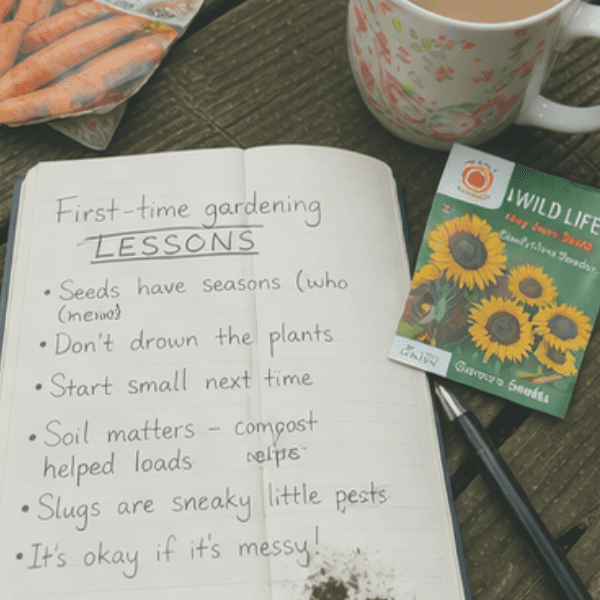
Timing actually matters. A lot. Plants have seasons for a reason (haha… rhymey). Now I always check when something wants to be planted instead of forcing it.
2. Expecting Perfect, Straight Rows (and Feeling Like A Failure When I Didn’t Get Them
I had this image in my head of neat, organised rows of identical seedlings.
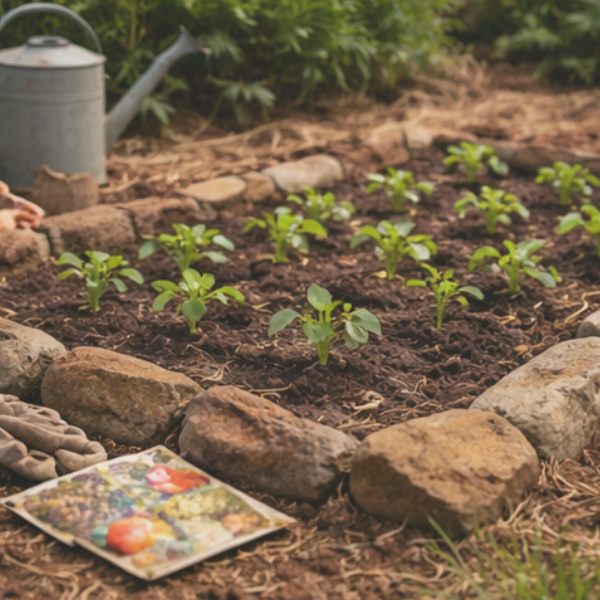
What I got instead? Crooked lines. Random gaps. Clumps of plants competing with each other. Some growing fast, others barely moving. I mean, I’m sure you can understand the frustration.
It looked… messy.
What I Learned:
Gardens aren’t meant to look perfect – especially not in the beginning. I know that sometimes, we have this perfect aesthetic image in our minds, and we try so hard to achieve it only to find out it doesn’t look so perfect in real life. But sometimes we have to let go of those Pinterest perfect images that we are trying to recreate, because that’s not what it’s about.
Real gardening is uneven. Some seeds thrive, some don’t. That’s normal.
3. Overwatering… Then Under-watering
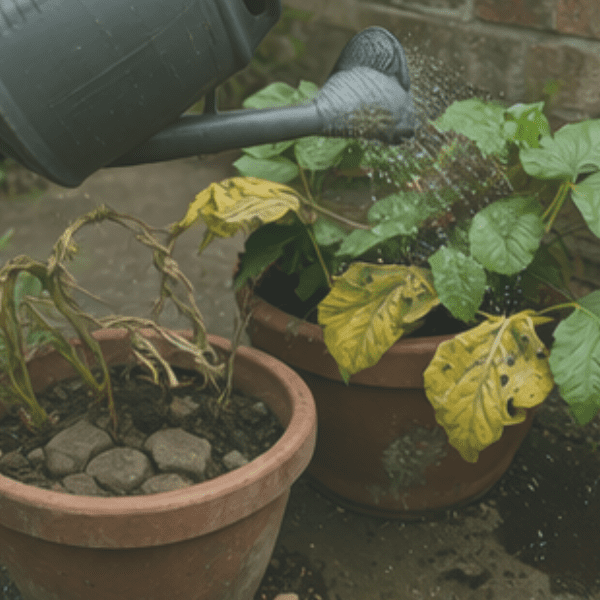
At first, I watered constantly (like every single day no matter what) because I thought more water = more growth.
Then I panicked about overwatering and barely watered at all. So my plants went from drowning… to drying out. I even lost a few plants from not watering them at all. I know, it’s a sad story.
What I Learned:
Plants don’t need panic. They need consistency. Now I check the soil instead of guessing – if it’s dry, I water. If it’s still damp, I leave it.
4. Starting Too Much At Once
I got excited and planted everything. I mean E.V.E.R.Y.T.H.I.N.G.
Herbs, flowers, vegetables… all at once, in a tiny space, with very little understanding of how much care each one needed.
It quickly became overwhelming.
Some plants got neglected. Some didn’t get enough space. Most didn’t thrive, and as I’ve already mentioned, some even died (OK, actually plenty, how embarrassing). But you know what? I’m learning through all my trial and errors, and you will too. (Hopefully, you don’t kill as many plants as I have though.)
What I Learned:
Start small. I know that the excitement can get a bit much and it makes you just want to plant everything, but trust me on this one. It’s much better to just start small. It’s much more encouraging to see a few plants thriving, than have more then half your garden go to waste just because you are trying to do everything at once.
A few plants you can actually care for is better than a garden you can’t keep up with.
5. Ignoring The Soil Completely
I used whatever soil I had, didn’t question it, didn’t improve it, didn’t even really look at it.
I thought the plants were the important part.
What I Learned:
Soil is the garden. If your soil isn’t right, nothing else will be either. Even just adding compost or loosening it properly makes a huge difference.
6. Giving Up Too Quickly
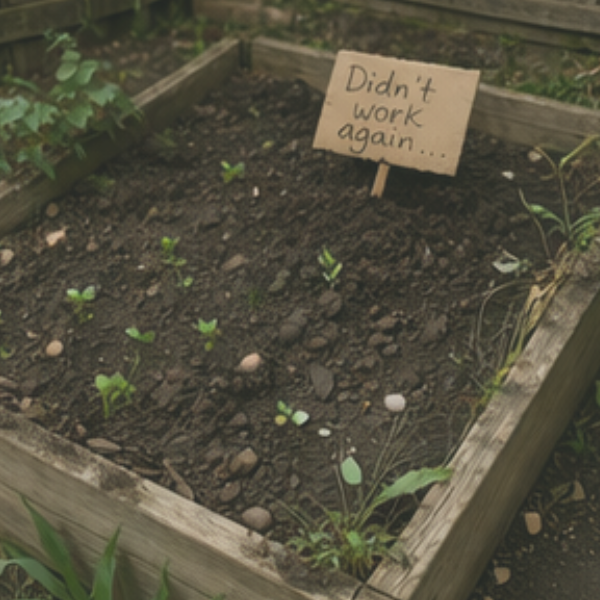
When things didn’t grow, I assumed I’d failed.
I’d feel discouraged, stop checking on things, and basically abandon the whole process for a while. I would think to myself, ‘well… maybe I just don’t have the green fingers, maybe I have the everything I touch dies fingers.’
What I Learned:
Gardening is slower than you think. And more forgiving than you expect. Just because something didn’t work once doesn’t mean it wont work next time.
7. Comparing My Garden To Everyone Else’s
I’d look at beautiful gardens online and wonder why mine looked so… average.
Or messy. Or half-alive.
What I Learned:
Most of what you see online is the highlight reel. Not the failed seedlings, the pest problems, or the weeks where nothing seems to happen.
Your garden doesn’t need to look impressive. It just needs to grow.
8. Not Paying Attention
This is a big one you guys. This one took me the longest to realise.
I was doing things to my garden, not actually noticing it.
Not seeing when leaves changed colour. Not noticing which spots got more sun. Not realising what was working and what wasn’t. If you look closely enough at your plants, and actually pay attention, you will start to notice whether the things you are doing is working or not.
What I Learned:
The best thing you can do as a gardener is pay attention. Your plants will tell you what they need – but only if you’re are actually looking.
The Truth No One Really Says
Beginner gardening is NOT aesthetic.
It’s patchy. It’s confusing. And it’s a bit disappointing at times.
BUT, it’s also a surprisingly grounding.
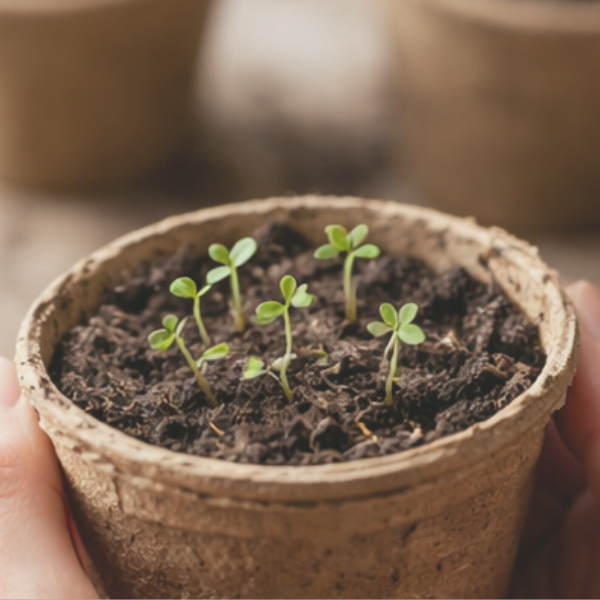
Because when something finally grows – even just one small seedling pushing through the soil – it feels like you’ve done something real, and it’s such an amazing thing to actually start a garden from practically nothing.
If You’re Just Starting
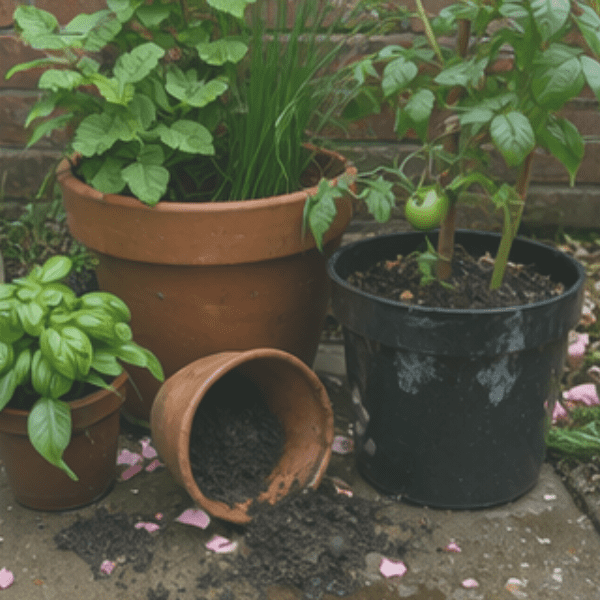
You don’t need to get everything right. Gardening is messy, rewilding is messy, but out of that mess grows something beautiful. The important thing is that you’re learning, and with each ‘try again‘ you learn something new. Even when it doesn’t feel like it sometimes, You. Are. Learning.
You just need to start.
Plant something. Pay attention. Learn as you go. Make mistakes. Try again.
It’s literally how gardens are grown.
If you’re in that messy beginner stage right now – you’re not doing it wrong.
You’re doing it exactly how it’s meant to be done.