Starting a garden can feel overwhelming at first.
You might imagine you need raised beds, expensive tools, or perfectly prepared soil before you can grow anything. But the truth is that many gardens don’t begin that way at all.
Most begin very simply – with a few seeds, a small container, and the quiet hope that something might grow.
Starting a garden from nothing isn’t about creating perfection. It’s about beginning where you are, using what you have, and learning as you go.
Where My Garden Curiosity First Began
My very first attempt at planting actually started with some of those small seed starter kits from Checkers.
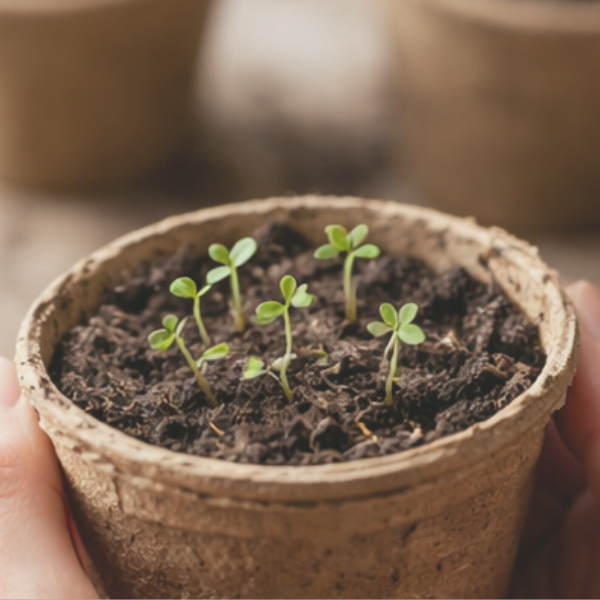
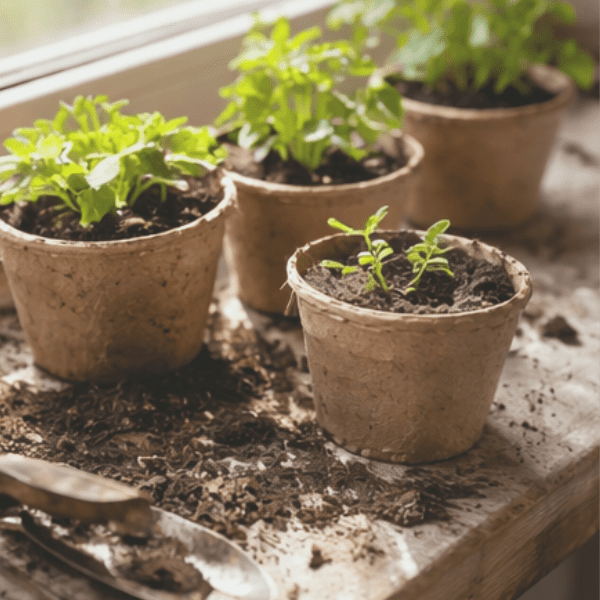
Each little eco pot came with a few seeds and a small round of compressed soil. All you had to do was add water and the soil would expand. I decided to give them a try and just experiment a bit.
At the time we were living in a tiny one-bedroom apartment, so space was limited. I placed a small table against the sunniest window I could find, which happened to be the bedroom window.
It wasn’t anything special – just a simple table next to a window – but it quickly became the place where I started watching those little seeds and wondering what they might grow into.
That was the moment I really started becoming curious about planting and gardening.
Later, when we moved into a house and I had a little more space to experiment, that curiosity only grew stronger. I started trying different seeds just to see what would happen.
Quickly, one of my favourite things to start growing was green bell peppers.
I never managed to grow big ones. Mine were always small – sometimes surprisingly tiny – but it didn’t matter to me at all. I remember the excitement of seeing the first little pepper forming on the plant and feeling so proud that something had grown because of me.
Looking back now, those plants were probably in pots that were far too small, and the soil could of been much better.
But at the time, I didn’t care about perfection.
I was simply happy to grow something.
And I think that’s where every garden really begins.
Why Starting Small is the Best Way to Begin
When you’re new to gardening, it’s easy to feel like you need to do everything properly from the start.
But small, simple gardens are often the best teachers.
When you start small, you learn how plants grow, how soil behaves, and how sunlight affects different areas of your space. You also discover what works well in your environment.
Every gardener learns through experience, and even small successes can be incredibly rewarding.
Step 1: Start With What You Have
You don’t need perfect conditions to start a garden.
Look around your home and see what you already have available. Old pots, buckets, containers, or even recycled items can all work surprisingly well for growing plants. Alternatively, you could plant straight into the ground (if you have that option). The thing to remember is to just start small.
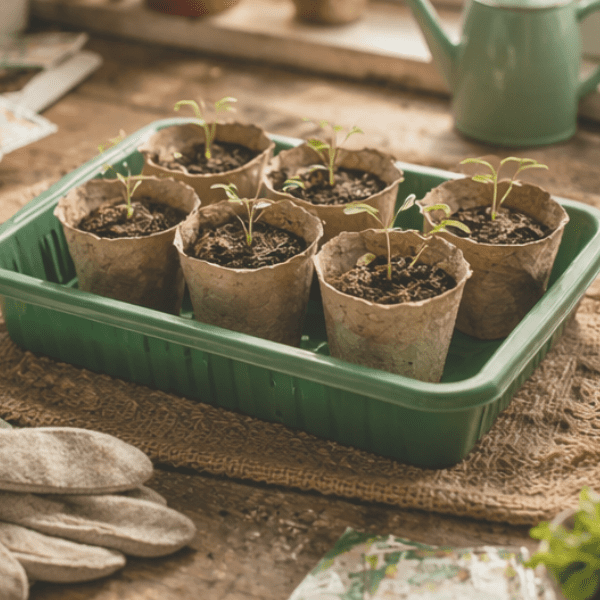
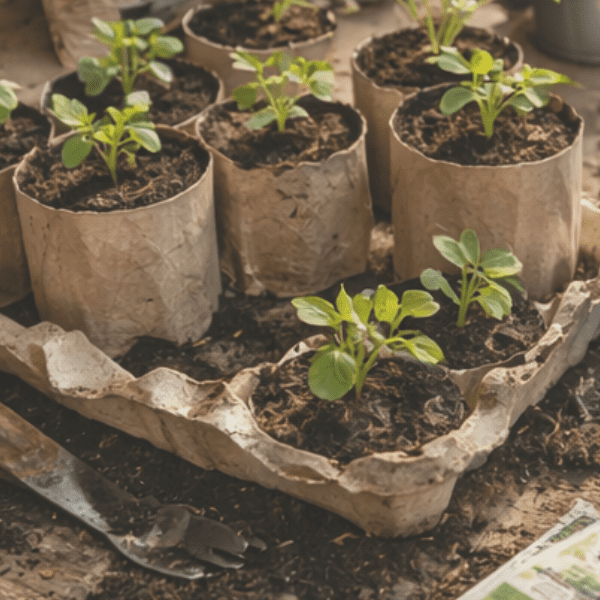
Many people start seeds in simple things like egg cartons, yoghurt tubs, or toilet paper tubes filled with soil.
What matters most is simply creating a place where something can grow.
Step 2: Choose Easy Plants
When starting a garden from nothing, it helps to grow plants that are naturally forgiving.
Some beginner-friendly vegetables are:
- Lettuce
- Spinach
- Radishes
- Green beans
- Peppers
These plants tend to grow quickly and don’t require complicated care, which makes them encouraging for new gardeners.
Watching something sprout and grow for the first time is one of the most satisfying parts of gardening.
Step 3: Use Simple Containers
It you don’t have garden beds or open soil, containers are a wonderful way to begin.
Many plants grow very happily in pots as long as they have:
- enough sunlight
- drainage holes
- reasonably good soil
Even a small patio, balcony, or courtyard can become a productive growing space with just a few containers.
Step 4: Improve Your Soil Slowly
Good soil helps plants grow stronger, but you don’t need perfect soil from the beginning.
Over time, you can slowly improve your soil by adding natural materials such as compost, kitchen scraps, or organic matter.
Healthy soil develops gradually, and every season gives you an opportunity to improve it a little more.
Step 5: Learn As You Grow
Gardening is something that teaches patience.
Some plants will thrive, others may struggle, and a few might not grow at all. Every gardener experiences this, no matter how experienced they are.
But every attempt teaches you something valuable about your space, your soil, and your plants.
And with each season, your garden slowly becomes stronger.
Start Small, Start Imperfectly
When people imagine starting a garden, they often picture neat rows, raised beds, and perfectly organised spaces.
But the truth is that most gardens don’t begin that way.
Many start with a few seeds in recycled containers, a handful of soil in an old pot, or a small patch of ground that someone simply decided to try planting something in.
Your garden doesn’t have to be perfect. It just has to begin.
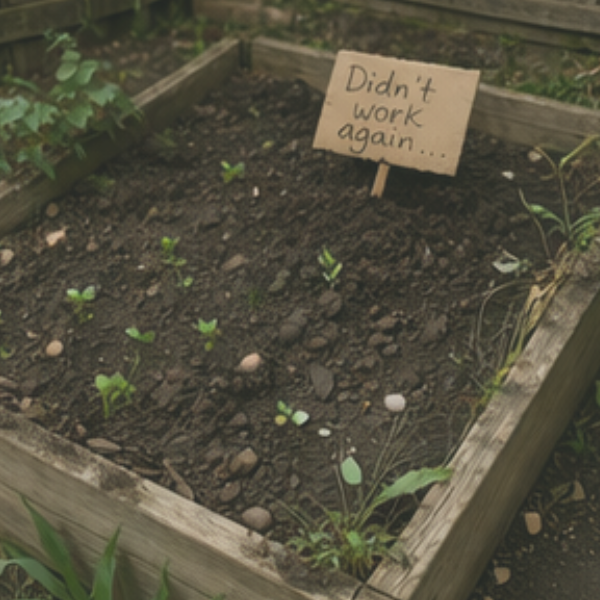
I will say it again: Some plants will thrive. Others might struggle. A few might not grow at all. That’s part of the process every gardener goes through.
What matters most is the moment you decide to plant something and see what happens.
Because once you grow even the smallest thing – a little herb, a handful of lettuce, or even a tiny bell pepper – something shifts.
You start to realise that growing food isn’t something distant or complicated.
It’s something you can do.
And often, the smallest beginnings are the ones that grow into the most meaningful gardens.
Other Posts You Might Like:
How I Started Gardening in a Tiny Apartment
What Does Rewilding Your Life Actually Mean